

Susan B Anthony at Silver Lake Institute


The history of the Silver Lake Institute has long been linked with the struggle for women's rights, serving as a prominent stage for Susan B. Anthony during the height of the suffrage movement. Recent discoveries in NYS newspaper archives from 1895 and 1901 reveal that Anthony viewed our Assembly grounds as a vital platform for mobilizing public sentiment and advocating for "women’s political equality".
A Personal Connection in 1895
In August 1895, the Assembly grounds were bustling with activity, featuring everything from "electric foot lights" in the auditorium to a "gymnasium" in full session. Amidst this vibrant summer resort atmosphere, Saturday, August 3, was designated as "Woman’s Day," with Susan B. Anthony serving as the primary draw. Unlike a distant political rally, this visit was designed for community connection; residents were invited to a noon basket picnic and a series of toasts, providing a rare opportunity for locals to meet Anthony and other "eminent women" personally. The day concluded with a formal platform meeting where Anthony and her peers addressed the urgent need for political reform.
A Bold Proclamation for Progress in 1901
Anthony returned to Silver Lake in late August 1901 for a significant conference of Western New York suffragists. For a modest admission of twenty-five cents, the public gathered in the auditorium to hear Anthony deliver a "strong plea for woman suffrage". During this address, she offered a profound insight into the state of the nation, arguing that while the country had made great strides with the emancipation of slaves, civilization had since reached a "standstill, if not on the retrograde" because women remained disenfranchised. Anthony was resolute in her message: she told the Silver Lake audience that granting women the vote would do more to "elevate the human race" and suppress vice than any other combined social efforts.
Leadership and Collaboration at the Assembly
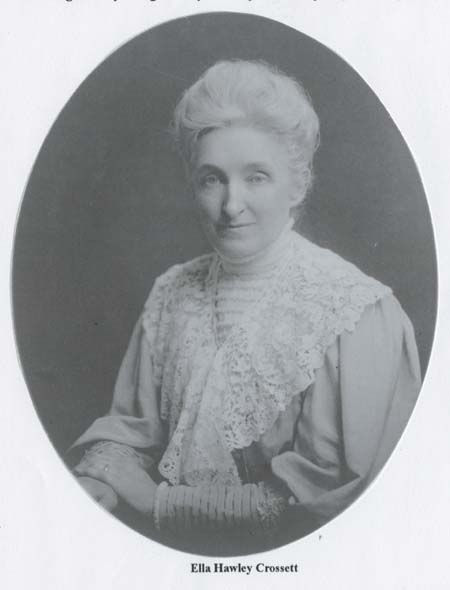
While Anthony was the focal point, the 1901 conference highlighted her collaboration with other powerful leaders of the movement. Ella Hawley Crossett, a dedicated local advocate from Warsaw, presided over the event as the president of the Wyoming County Political Equality Club. Crossett provided the introductory remarks and joined Anthony in a "beautiful tribute" to the memory of local suffragist Mrs. Charlotte Cleveland.

Following Anthony’s remarks, the audience heard from Rev. Anna H. Shaw, a noted speaker from Philadelphia who conducted a "question box" to engage directly with the residents' inquiries. Shaw delivered a "magnificent address" that lasted one hour and twenty minutes, tracing the moral and spiritual development of women throughout history. (Shaw was also a physician and one of the first female ordained Methodist ministers in the U.S., while Crossett later rose to lead the New York State Woman Suffrage Association)
A Lasting Historical Impression
The Assembly during these years was a place of both intellectual pursuit and summer recreation. While Anthony and her colleagues debated the future of American democracy, the grounds also hosted bicycle races, concerts by "famous baritones," and even a cooking school that taught the latest culinary trends like "entire wheat finger rolls". This blend of daily life and historic activism cements Silver Lake’s place in history.
Copies of the full articles from the Wyoming County Times are included below for your reference.


